
What cinema taught me about graphic props
In film, printed matter, signage and fictional documents can tell as much of the story as the sets themselves. A closer look at the graphic details that give fictional worlds their coherence and believability.
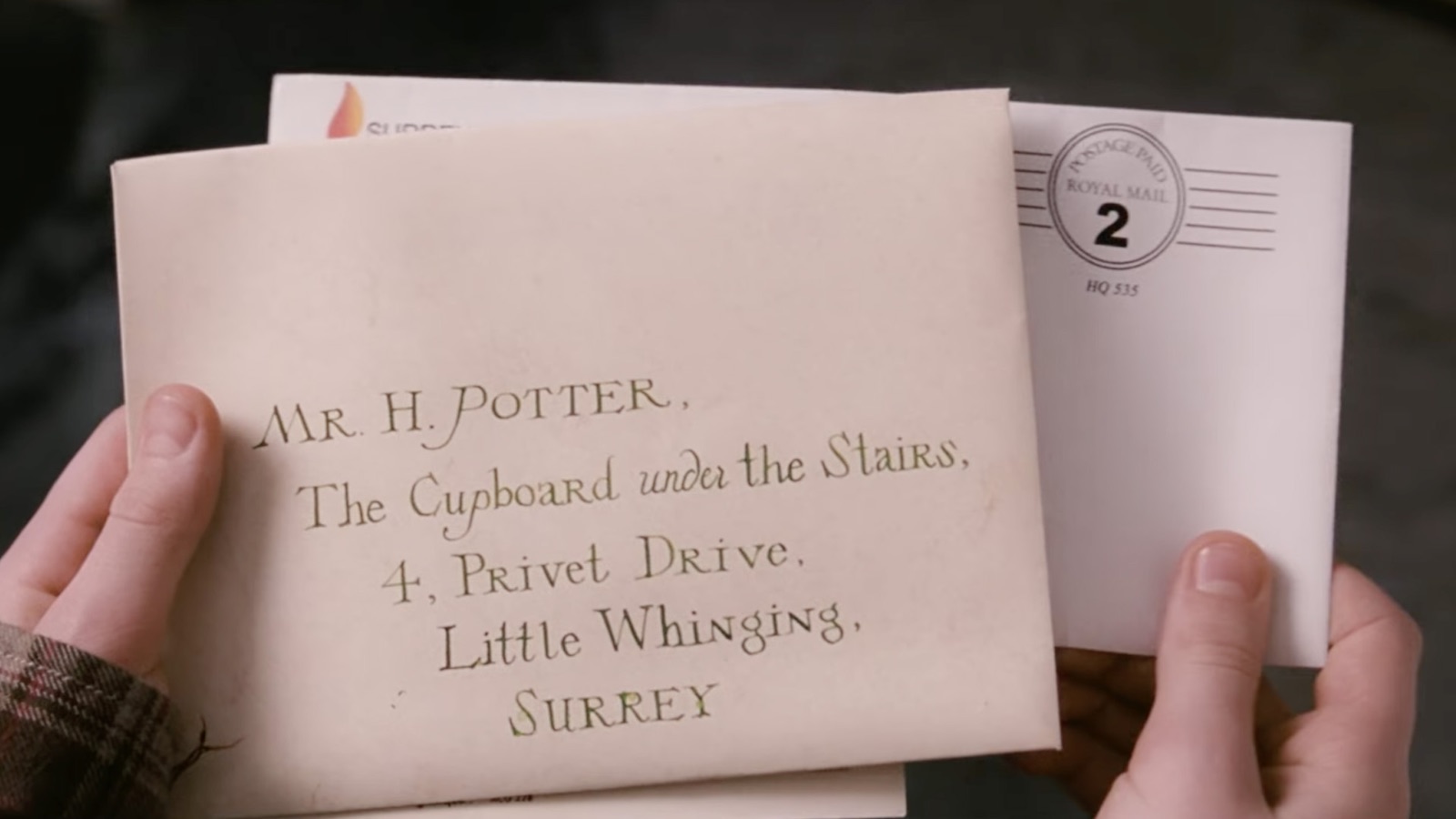
When we think about what makes a fictional world believable, we usually think of the sets, costumes or lighting. Yet graphic elements play an equally important role.
When graphic props become part of the story
Cinema has understood this for decades. Think of Harry Potter's Hogwarts letter, Willy Wonka's Golden Ticket or the treasure map from The Goonies. These pieces of paper are known as graphic props. They are far more than decorative objects: they trigger the story, carry information and move the characters forward.
In film, every visual detail serves the narrative.
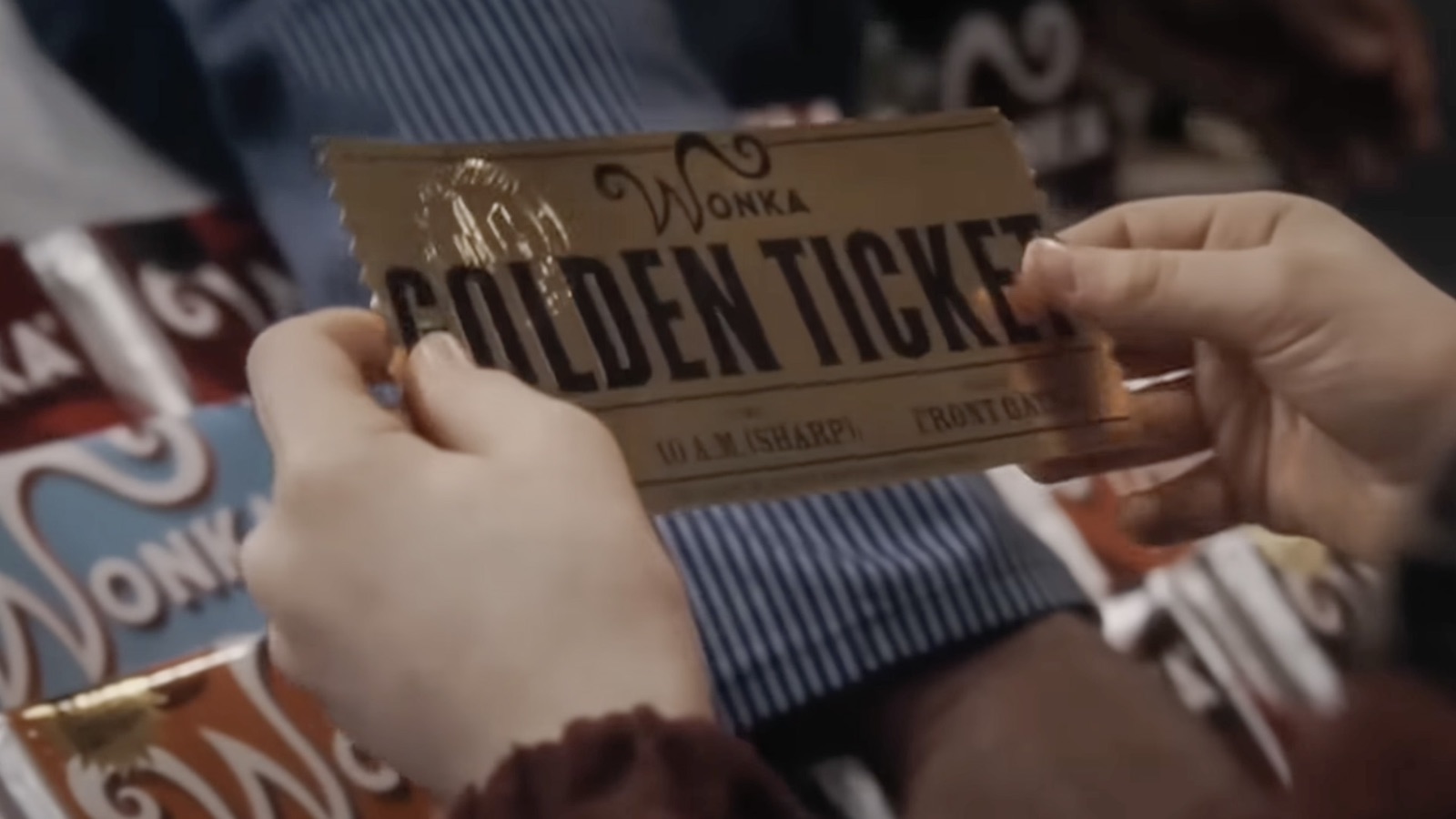
That's the role I aim to give every document and graphic object I create.
Trained in film graphic design by Annie Atkins, I chose to adapt these methods to the creation of narrative environments. Through Zompa Design, I create graphic elements that strengthen the believability of fictional worlds.
Whether it's a fictional subway map, a newspaper from an invented country or a discarded ticket found on the floor, every piece is designed with the same objective: to make the world feel more coherent, more lived-in and ultimately more believable.
The illusion of reality : Batman Escape
Among the projects I've worked on, Batman Escape holds a special place. Designed by Dama Dreams, this large-scale experience invites visitors into Gotham City through three escape games and an immersive bar.
For a year and a half, my role was to create the graphic layer that makes the city feel alive beyond its architecture and storyline.
This included dozens of seemingly discreet, yet essential graphic props:
Wayfinding: fictional subway maps, directional signage, municipal department identities (power company, fire department, etc.);
Everyday life: restaurant menus, florist posters, local advertisements, missing cat notices;
Social and political context: election posters, anti-corruption flyers, police recruitment campaigns and prison service notices.
(And if you look closely, you'll even spot a few Easter eggs for DC Comics fans.)
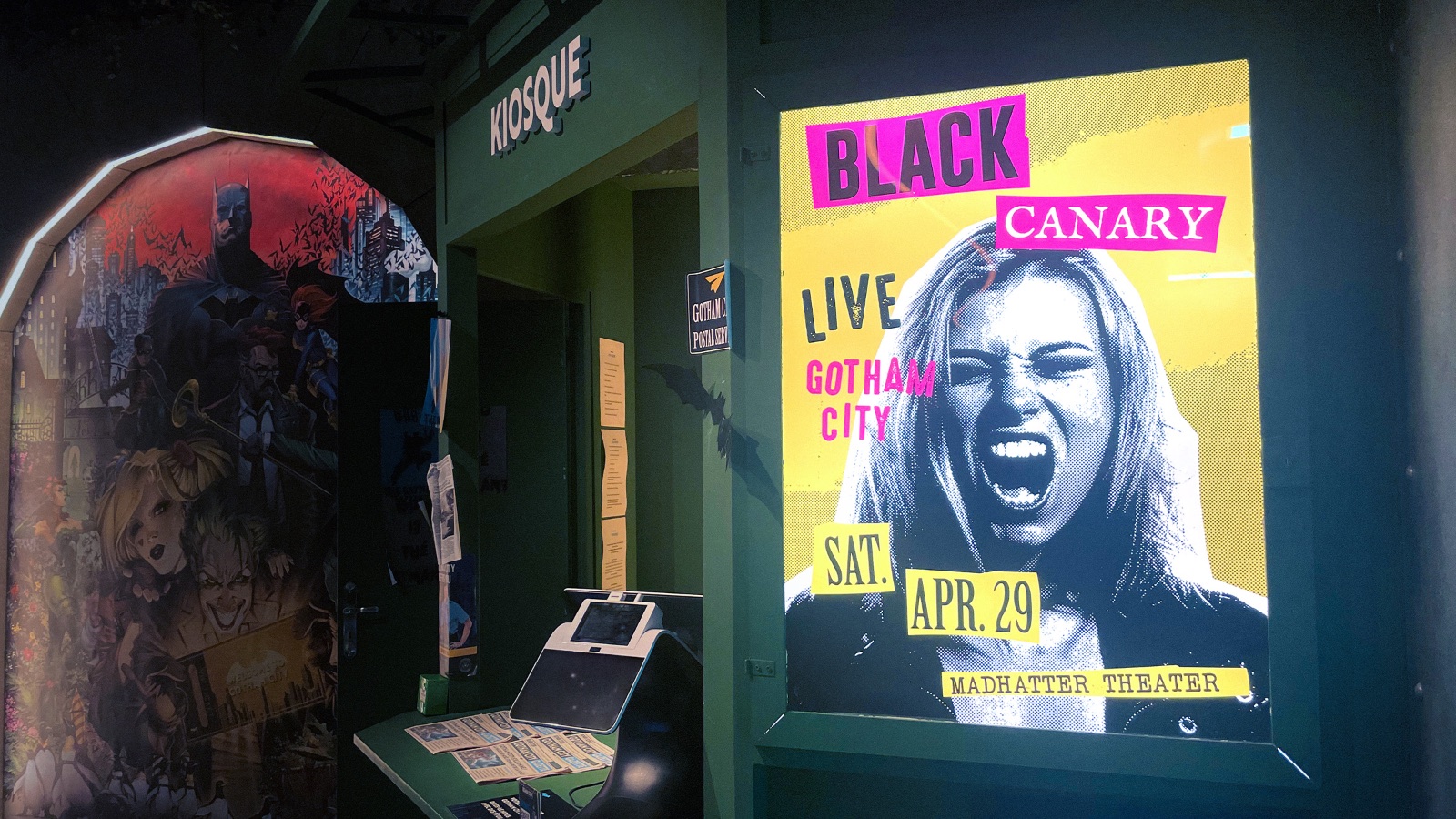
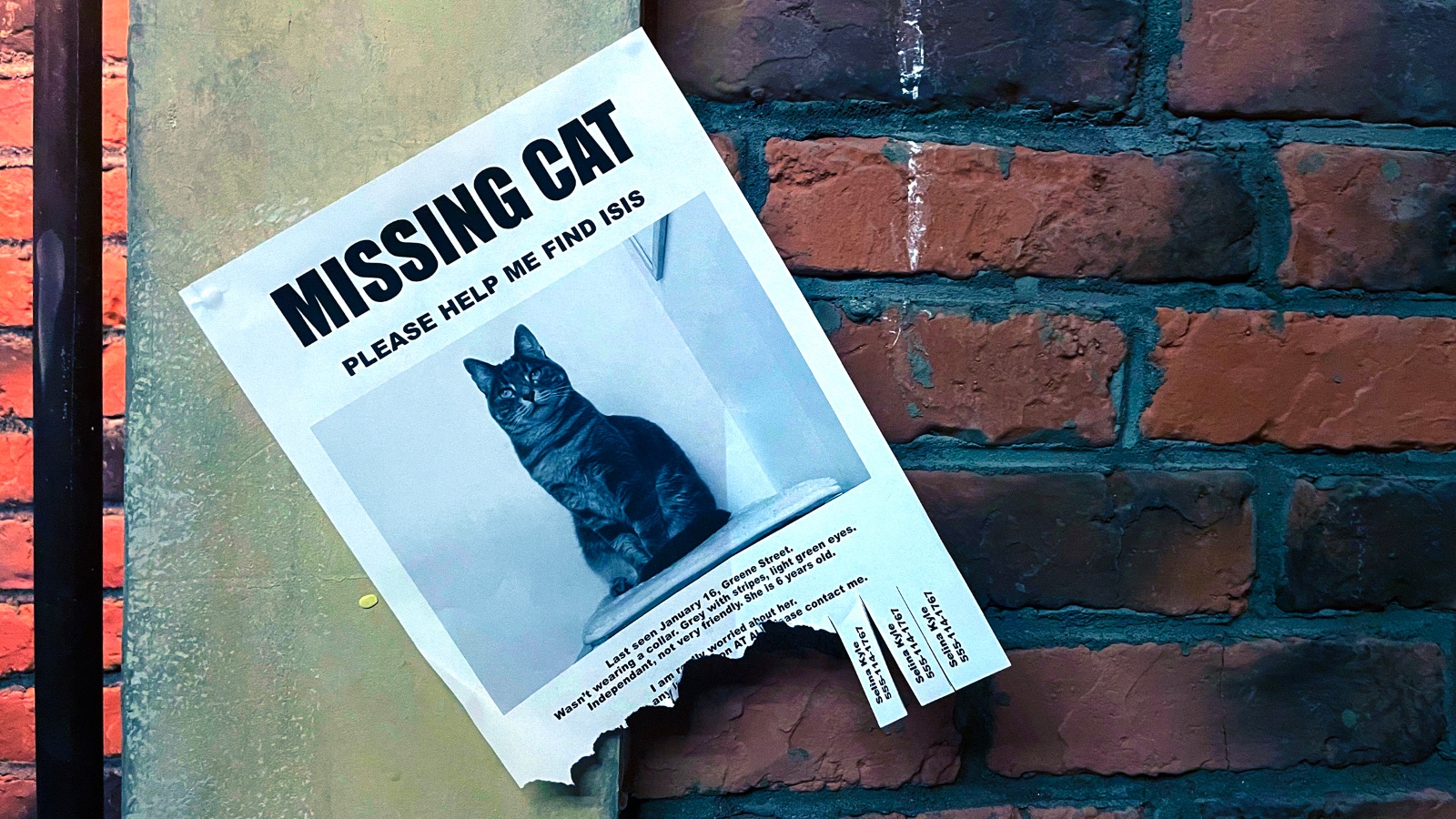
Each piece was created to reinforce the illusion that Gotham City truly exists — long before and long after the visitor enters the experience.
The goal is not simply to decorate a set, but to suggest that the city has its own institutions, history and everyday life.
One simple method: observe reality
Creating believable fictional documents always begins the same way: by observing the real world. I never design from memory alone. Whenever possible, I start with authentic reference material.
It's surprisingly easy to think we know what an old newspaper, a train ticket or a government form looks like. In reality, our mental image is often shaped more by cinema than by history itself.
Only careful observation reveals the subtle details that make a fictional document feel authentic: the colour of the ink, the hierarchy of information, the photography, the typography, even the tone of the writing.
To build these references, I regularly explore digital archives such as Gallica and Europeana. But nothing replaces handling original objects.
That's why I also spend time browsing flea markets and antique shops, collecting old bus tickets, vintage packaging, handwritten letters and printed ephemera. Friends travelling abroad often return with subway maps, receipts or flyers that eventually find their way into my reference library.
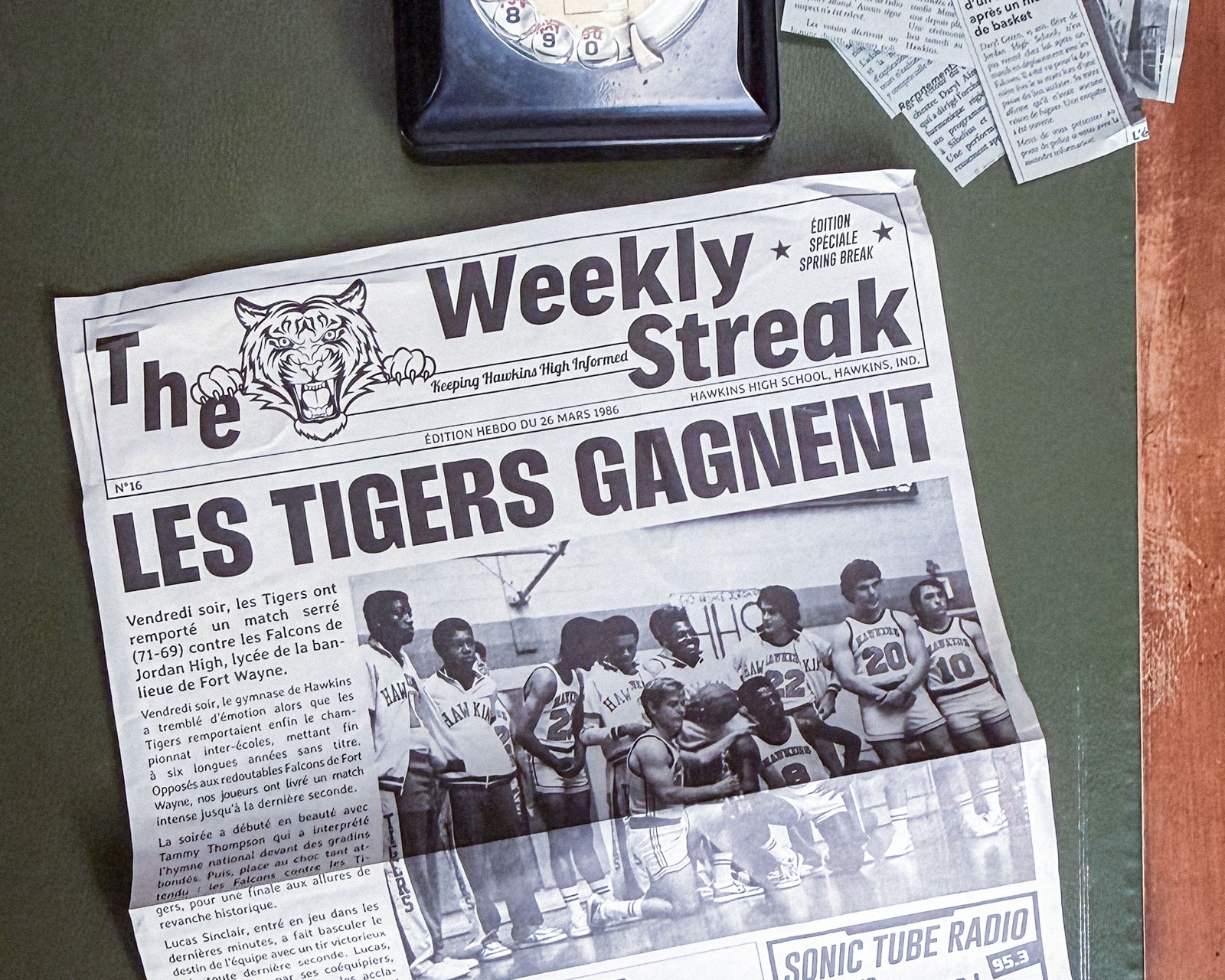
Of course, the goal is never to reproduce these objects exactly.
For both legal and creative reasons, I draw inspiration without copying.
Historical accuracy alone is not what matters most. What matters is coherence and believability.
Sometimes, an intentional departure from reality even serves the story better. The classic detective investigation board connected with red strings is a perfect example: it's not particularly realistic, yet audiences immediately understand what it represents.
In a fictional world, every graphic element contributes to the coherence of the whole.
When a graphic prop is successful, it disappears behind the story.
And that's precisely when it does its job best.
Adapted from a talk presented at Journées de l'Immersif on April 8, 2025, and later published in JeDI's 2025 White Paper.